
The Genre Which Dares Not Speak Its Name.


Climate Fiction can be found everywhere except genre category lists.
We gravitate to genres because – a little like a fast-food outlet on a remote highway – they provide some certainty that our expectations will be met. Whether its bodice ripping or forensic pathology, most of us prefer to know what we’re getting into.
Genres are more than categories though. They are also a ritual, or exchange, by which culture reflects itself. Consider the action genre, currently dominated by the American personal revenge trope, reflective of a libertarian trend to privilege personal morality over institutional justice. Its conventions include gratuitous cruelty and the deployment of hyperbolic fire power in the name of getting even. This genre encapsulates the erosion of trust in the post-truth era, the politics of the second amendment, and Old Testament notions of an eye for an eye.
Which bring us to cli fi. While a google search will bring up multiple titles from authors such as Isaac Asmiov to Margaret Atwood, you won’t find the genre officially listed on Amazon, Kobo and Barnes and Noble etc. It seems odd given the vast allocation of specific genre categories like paranormal romance, cyberpunk and Alternate History to name just a few.
In his 2016 nonfiction book The Great Derangement: Climate Change and the Unthinkable, Amitav Ghosh condemned the scarcity of fiction focused on the environmental, social, and economic impact of climate change as indicative of real-world denial and green fatigue. Six years later, Critic Mark Bould disputed this in The Anthropocene Unconscious: Climate Catastrophe Culture, where he argued the art and literature of our time is ‘pregnant with catastrophe”.
I believe the influence of climate change in film and literature is discernible from at least the 1980’s when science introduced it to wider public consciousness. The post-apocalyptic genre is not replete without devastated environments and ruined artefacts of our civilization – think Planet of the Apes, Mad Max, Terminator and Waterworld. Dystopian genres often feature repressive societies characterized by degraded environments as in The Hunger Games. Zombie horror subgenres like World War Z reflect our fear of pandemics and fellow citizens in an overpopulated world dominated by individual need.
However, the absence of an ‘official’ climate fiction genre suggests that on a fundamental level, our culture still prefers climate change to remain subliminal or at least symbolic. There hasn’t been an overt theme of climate change in a major film since The Day After Tomorrow (2004), and since then, major disaster movies such as 2012 and San Andreas have used other catalysts of destruction. It makes sense given vested interests have spent billions hijacking global action on climate change. A genre category that turns people off – either because they’ve swallowed disinformation or simply can’t handle more bad news – simply doesn’t sell as well. Composers get around this with allegory. Adam McKay’s political satire Don’t Look Up (2021) replaces climate change with an approaching planet-killing comet to target the catastrophic consequences of inaction and denial. And while some critics argued the film had the subtlety of a baseball bat, at least it has a chance of being seen by those who might otherwise shun stories concerned with climate change.
As a writer of cli fi though, it’s frustrating having to stay in the closet. I mean, if we can vicariously revel in a crime genre tale of drugs, corruption and dismemberment – all things which are happening in the real world now – why can’t we do the same with climate? The difference is of course, having suspended disbelief to engage with a crime story, we are safe in the knowledge that the story will end. Now we can go and make ourselves a nice cup of tea. Climate fiction does not offer that comfort. We are part of the story.
Happily, in the last five years – perhaps as a response to the weight of natural disasters confirming scientific predictions – more overt climate fiction novels are appearing; stories where anthropogenic climate change plays a direct role in the plot. Kim Stanley Robinson’s novel Ministry for The Future (2020) set in the near future combines the lived experience of climate impacts with social, scientific and political efforts to avert its catastrophic trajectory. The novel’s inspiration is evident in Robinson’s dedication to his doctoral supervisor, philosopher Frederic Jameson, who wrote, "It is easier to imagine the end of the world than to imagine the end of capitalism”. This observation is brought to life in ‘Juice’ (2024) by Tim Winton. One of Australia’s greatest literary writers, Winton crafts a viscerally shocking world where hardy souls must shelter underground to survive lethal summer temperatures and storms, eking out a life of diminishing returns. Not only do the survivors understand what they have lost, it drives their retribution of those complicit who remain alive. Winton has given the post-apocalyptic genre its most authentic context. The terrifying violence of a climate literally ‘consuming itself’ reinforces the appalling meaninglessness of self-destruction that might yet be avoided if only we could find a way to make it happen. I only wish we could encounter this brilliant tale in the cli fi genre instead of Literature and Fiction > contemporary.
Of course, it doesn’t really matter; like rising insurance premiums, climate change is in your face whether you like it or not. Indeed, now that the very term has been banned by the current US administration, the genre may be safer hiding in plain sight.
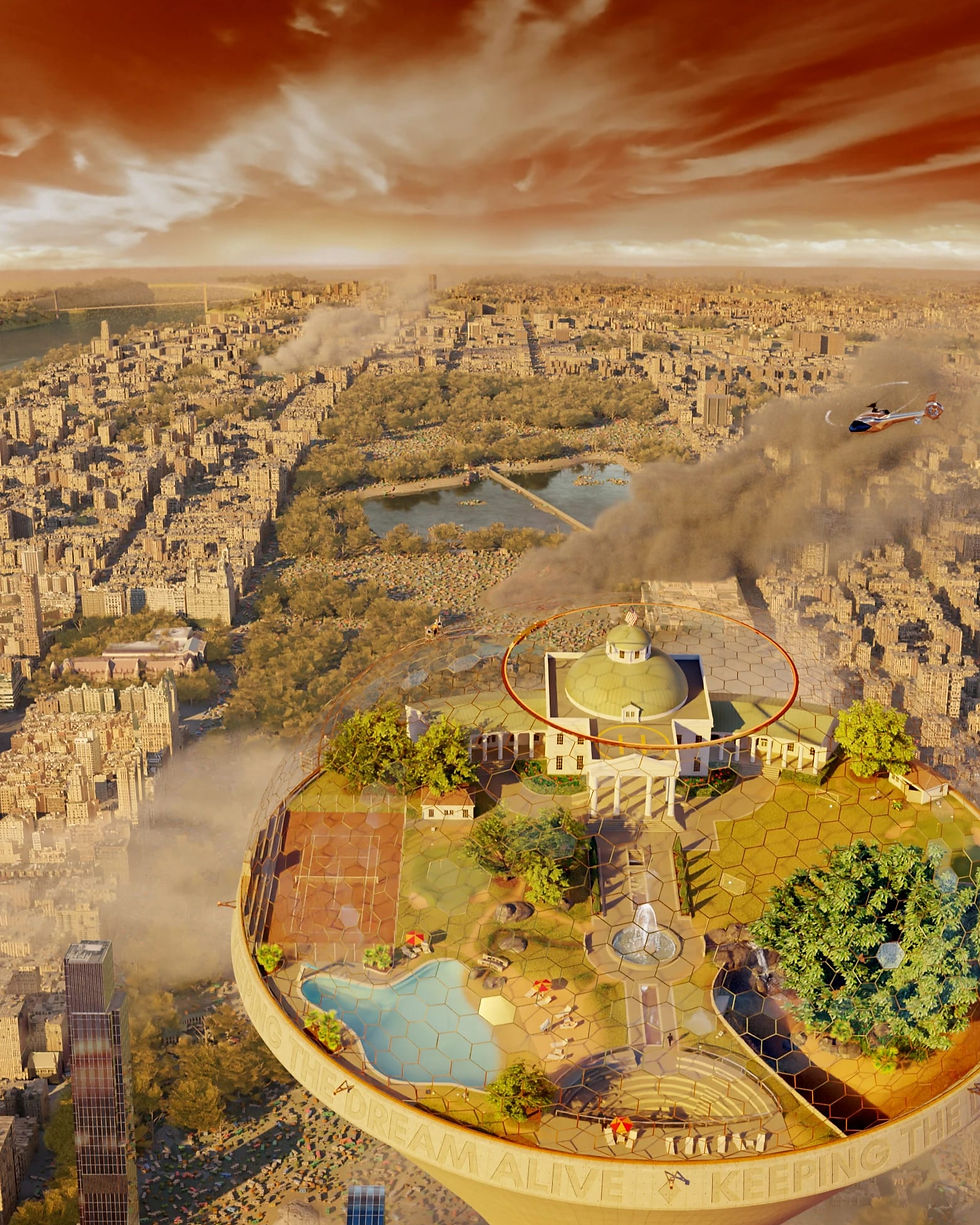
Jake Avila is the author of The Fall, first book in a speculative cli fi trilogy charting the fate of humankind over the next one hundred years.
Comments